
Farm Management: Coffee Twig Borer Traps
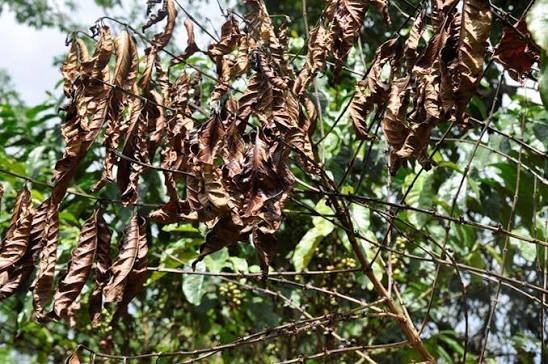
What Is the Black Coffee Twig Borer?
The Black Coffee Twig Borer (Xylosandrus compactus) is a small beetle that bores into young, green coffee twigs to lay its eggs, introducing a fungus that the larvae feed on. Infested twigs wilt, dry and die back — often the first visible sign a farmer sees is a scatter of dead, drooping twig tips across an otherwise healthy-looking tree. Left unmanaged, repeated infestation across seasons steadily reduces the bearing wood a tree has available, and with it, yield.
Spotting It Early
- Wilting or drying twig tips, often with leaves still attached but browning.
- A small, neat entry hole on the underside of an affected twig, near a node.
- Dead twigs that snap off easily where the beetle has bored in.
Regular field walks — ideally weekly during the main growth flushes — catch infestations while they're still isolated to a few twigs, rather than spread across a block.
How to Set Up a Twig Borer Trap
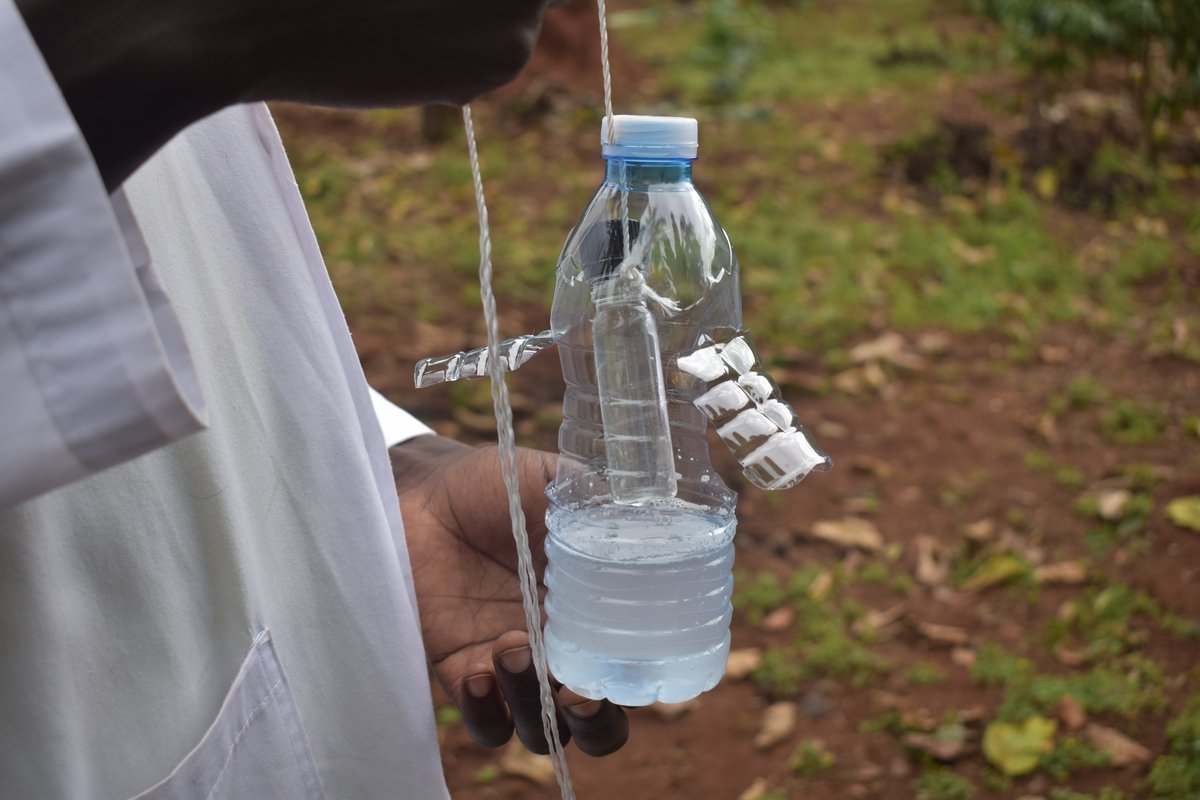
You don't need anything specialised to make an effective trap — this is a simple, low-cost design any farmer can build from what's already on hand:
- Use locally available materials. A used plastic water bottle, cut and re-assembled as shown, is enough — no purpose-built trap is needed.
- Bait it with ethanol. The beetle is drawn to fermenting plant material, so an ethanol-based lure in the base of the bottle attracts it in.
- Add soapy water. Beetles that enter the trap drown in the soapy water rather than climbing back out — the soap breaks the water's surface tension.
Hang the finished trap at canopy height through the block, and check and re-bait it on a routine schedule, alongside the farm's regular record-keeping — the same discipline Kakone Coffee applies to weeding, mulching and pruning across the growing season.
It's worth exploring traditional, low-input methods like this bottle trap before reaching for chemical spraying — they're cheaper, safer for pollinators and beneficial insects on the farm, and often enough on their own if you're catching the infestation early through regular field walks.
Cultural Controls That Help
- Prune and remove infested twigs promptly — cutting well below the visible entry hole — and destroy the prunings rather than leaving them in the field, since the beetle can complete its life cycle in cut material too.
- Maintain balanced shade. The Black Coffee Twig Borer tends to favour heavily shaded, humid conditions, so well-managed shade levels (rather than dense, unmanaged canopy) help keep pressure down.
- Keep trees vigorous. Well-nourished, well-watered trees recover from minor twig loss far better than stressed ones.
Hygiene & Biosecurity on the Farm
Twig Borer control works best as part of a wider farm biosecurity habit, not a one-off treatment. Clean tools between blocks, destroy prunings rather than leaving them in the field, and orient every worker on the farm's biosecurity policy — see our full Pests, Disease & Farm Biosecurity guide for the complete routine.
Pest and disease scouting is included in our Year 1–3 farm management package. See our Farm services or get in touch for a farm visit.